FIELD GUIDE · 7 MIN READ
Start with geography, not a shortlist.
The Nordic countries share northern light, strong design traditions and an affinity for natural materials. They do not share one hotel landscape. Urban density, coast, island, mountain and forest each shape the practical experience of a stay. A hotel that suits a city break may be a poor fit for a remote itinerary, even when both carry a luxury label.
Use the country as an initial filter, then compare the particular region. Check transport, the season you plan to travel, the balance of indoor and outdoor time, and how much independence you want once you arrive. A property’s own information is the authority for access, facilities and current operations.
Denmark: urban culture and coast
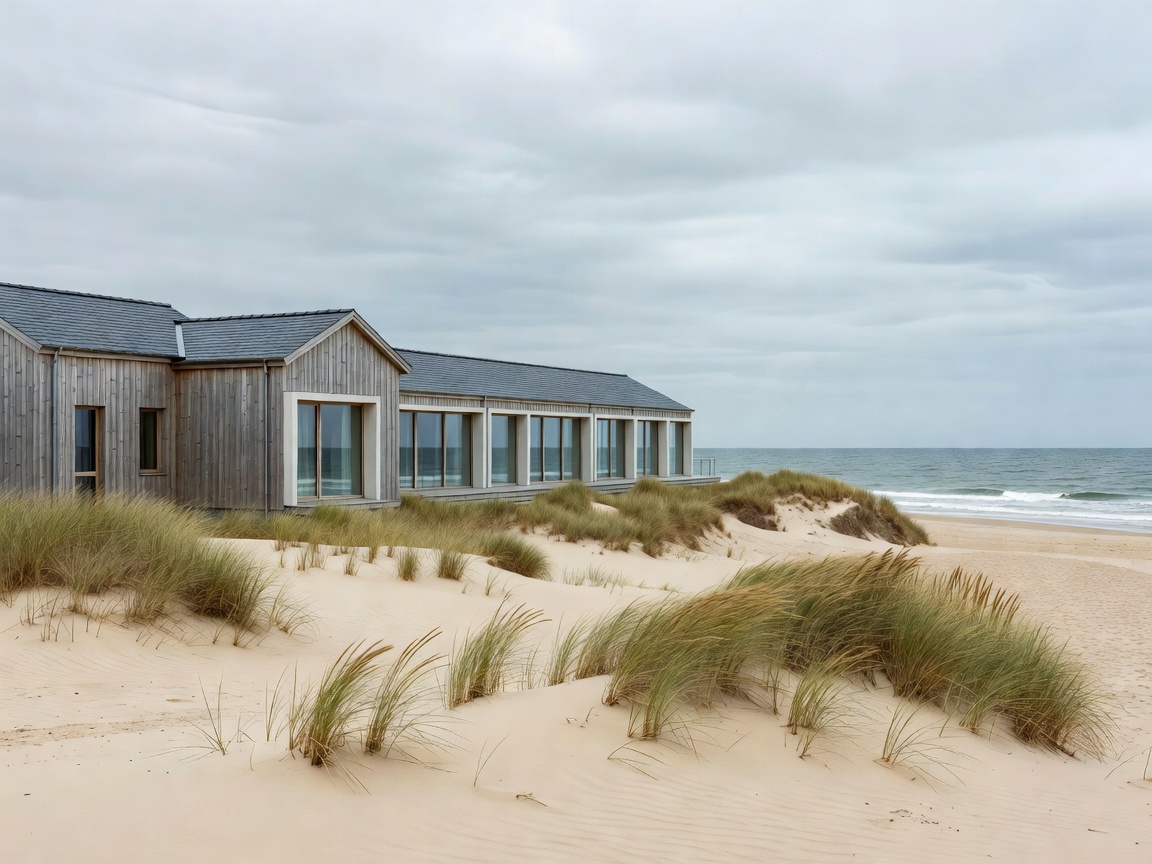
Copenhagen is the clearest city-hotel anchor: compact streets, cultural institutions and a lively design scene sit alongside established historic hotels and contemporary interiors. The city rewards a stay that puts you near the neighbourhoods and public spaces you want to explore. Outside the capital, coastal and island settings bring a different rhythm. Architecture often responds to wind, light and low horizons; small-scale accommodation can feel more connected to its immediate landscape.
Denmark’s strengths are ease of urban orientation, a visible design culture and a strong range of city stays. A limitation for a landscape-led trip is that the country’s terrain is comparatively low and gentle. Choose it for urban culture, maritime settings and a slower coastal itinerary rather than dramatic alpine scenery.
Finland: city design, lakes and sauna
Helsinki combines an urban hotel base with a legible relationship to the sea and Finnish architecture. Further inland, lake districts and forest regions shift the emphasis from museums and restaurants to quiet, water and seasonal outdoor life. Sauna is a meaningful part of Finnish culture, but do not assume every hotel offers the same sauna access or arrangement: confirm what is included directly.
Finland suits travellers who want a city-and-nature pairing, design-conscious accommodation or a retreat with water and woodland in the foreground. A remote property can require more transport planning and can feel quiet outside its high season. Consider daylight, weather and available activities before choosing a secluded address.
Iceland: elemental settings and Reykjavík
Reykjavík supports a city-based stay with a compact urban scale and access to Icelandic cultural life. Beyond it, accommodation may be closely tied to geothermal landscapes, coast or open countryside. The Retreat at Blue Lagoon Iceland is a real property in Grindavík, while the wider country offers very different forms of remote lodging. Treat a remote hotel as one part of a broader route rather than assuming nearby services.
Iceland’s draw is the close encounter with distinctive geology and expansive scenery. Weather, road conditions and seasonal daylight can shape travel plans, so check current official transport guidance and the property’s own arrival information. A striking landscape does not remove the need for practical planning.
Norway: coast, fjord and mountain
Norwegian hotel choices range from city bases such as Oslo and Bergen to coastal communities, fjord country and mountain destinations. Landscape-led properties can frame water and terrain as part of the stay; Juvet Landscape Hotel in Valldal is one example of accommodation associated with a wooded setting and contemporary architecture. Verify routes and services for the exact property: mountainous terrain and rural location can mean longer transfers and fewer nearby alternatives.
Norway is a strong choice for travellers who place landscape access high on the list. City hotels offer cultural convenience, while remote stays reward slower itineraries. The trade-off is logistics: distances, weather and transport connections deserve more attention than they might on a compact city break.
Sweden: metropolitan range and forest retreats
Stockholm gives visitors a mix of historic city fabric, waterfront settings and modern hotel design. Beyond the capital, Sweden’s range runs from coastal towns and islands to forest and lake country. A Stockholm property such as Ett Hem provides a boutique, residential-scale perspective within the city. Rural stays can feel very different: privacy, quiet and access to nature may be central, but transport planning becomes more important.
Sweden’s breadth is its advantage. It can support a city-focused itinerary, a historic stay, or a longer move into landscape. Its scale is also a limitation for quick multi-region travel. Avoid treating the country as one compact destination; plan by region and allow time between bases.
Regional comparison: what matters most
For dense city culture, compare Copenhagen, Helsinki, Stockholm, Reykjavík, Oslo and Bergen by neighbourhood rather than city reputation alone. For water, consider Danish coasts, Finland’s lake districts, Iceland’s coastal regions, Norwegian fjords and Sweden’s archipelagos and lakes. For mountains, Norway is the most direct fit among these five country profiles. For sauna-oriented wellness, Finland is a natural point of reference, but facilities vary by property. For heritage, city hotels and restored buildings can offer architectural character; confirm whether a property is genuinely historic, adapted from an older building or simply designed in a traditional style.
Good for
- First Nordic city stay: choose a central base in Copenhagen, Helsinki, Stockholm, Reykjavík or Oslo.
- Landscape-led travel: compare Norwegian fjord and mountain areas, Icelandic regions, Finnish lakes or Swedish forest destinations.
- Design focus: use Helsinki, Copenhagen and Stockholm as starting points, then explore regional properties.
- Wellness and quiet: investigate Finnish sauna culture and nature-based stays in all five countries, checking exact facilities directly.
What to know
Climate, daylight, transport and seasonal operation vary sharply by location. Check official property and transport information before committing to a route. Do not assume a remote hotel has daily services, that wellness access is included, or that a nearby attraction is open in your travel season. Compare the whole journey—arrival, local mobility and departure—not just the photograph or room description.
Selection criteria
Set your priorities in order: location, travel time, architectural character, service, food, wellness, privacy and budget. Then compare cancellation terms and current details on the hotel’s official website. This archive offers editorial context, not live prices, availability or booking services.