EDITORIAL GUIDE · 7 MIN READ
Define the experience, not the label.
Luxury is not a uniform standard across Denmark, Finland, Iceland, Norway and Sweden. In a capital city it may mean polished service, thoughtful rooms and a useful location. In a remote landscape it may be expressed through privacy, architecture that frames the surroundings and a well-organised arrival. Neither model is inherently superior. The right choice depends on what you value and what the location can support.
Hotel categories and marketing language are not substitutes for clear questions. Consider what is included, how the property describes its service, whether the setting supports your plans and how much time you expect to spend on site. Confirm current particulars directly with the hotel; this guide does not publish rates, availability or comparative ratings.
Service: attentive, clear and proportionate
Service quality is often easiest to assess through clarity. Look for accessible information about arrival, transport, dietary requests, accessibility and property policies. A luxury experience can feel personal without being intrusive. Compare how the hotel communicates before arrival, what assistance it says it can provide, and whether that service fits the scale of your trip.
Do not infer staffing levels, concierge services or personalisation from a high price or a refined image. Read the hotel’s current description and contact it with specific needs. A remote property may need more advance coordination than a central city hotel, especially when transport or dining options are limited.
Location: city, coast or remote landscape
Location shapes both convenience and atmosphere. Hotel d’Angleterre sits at Kongens Nytorv in Copenhagen, placing it in a central urban context. Hotel Kämp is in central Helsinki, beside Esplanadi. These city properties provide different frameworks from Juvet Landscape Hotel in Norway’s Valldal or The Retreat at Blue Lagoon Iceland in Grindavík. The latter examples have a landscape-led context; confirm travel logistics with the property and official transport sources.
Choose a city address when you want a walkable itinerary, cultural institutions and multiple dining options in a wider urban area. A remote stay can create a stronger sense of retreat, but may require planned transfers and more time on the property. Neither setting guarantees a particular level of quiet, service or access.
Architecture and room design
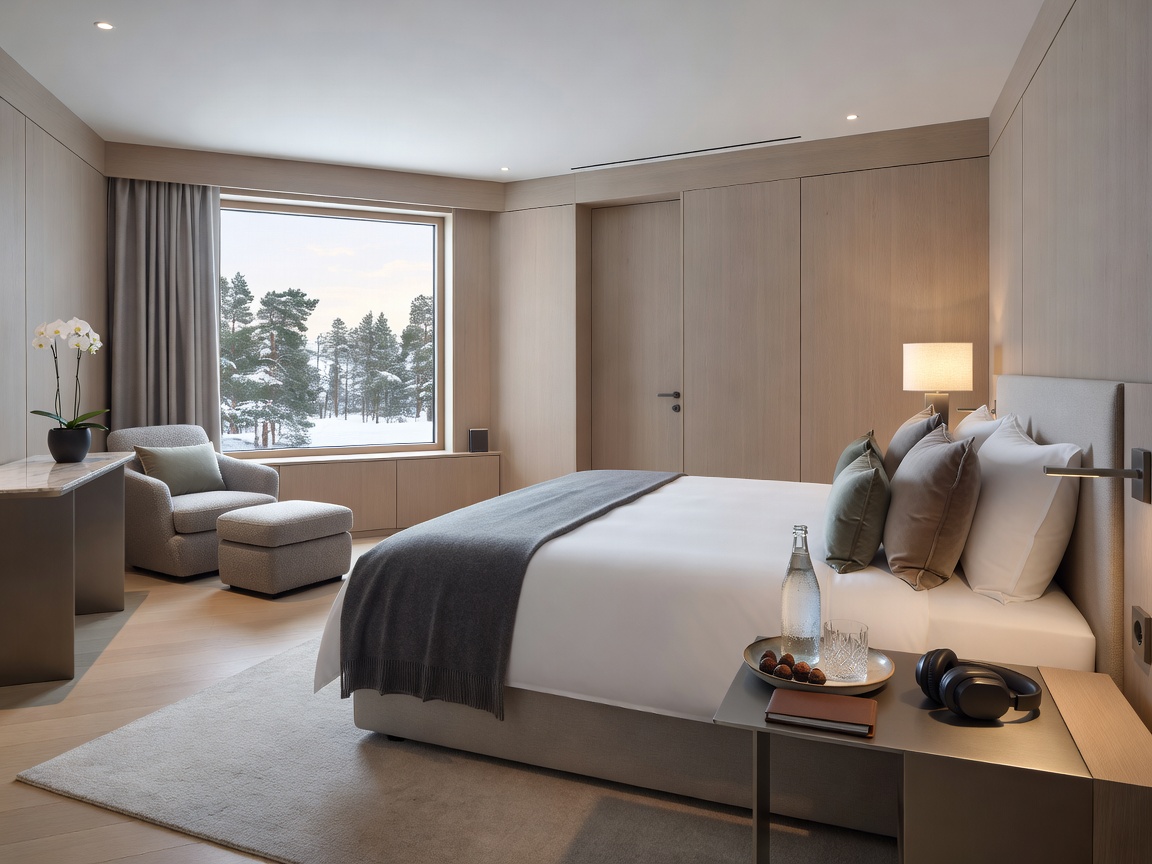
At the luxury end, room design should support comfort rather than simply photograph well. Consider storage, lighting controls, seating, bathroom layout and how the room relates to its surroundings. In a historic building, room shapes and details may vary. In a new property, ask whether the visual concept translates into practical ease. Where a hotel makes claims about designers or materials, use its own published information rather than repeating unverified credit.
Architecture matters at the scale of the whole property too. A waterfront view, a preserved façade or a quiet courtyard can contribute to the experience, but the value is personal. If access to natural light, a particular view or a quieter room is important, ask the hotel about the specific room type and current options.
Dining and wellness
Dining can be central to a hotel stay or an optional convenience. Check whether the property describes restaurants, service arrangements and booking requirements on its official site. Menus, opening times and operations can change; do not rely on old editorial listings. The same applies to spa access, pools, saunas and other wellness facilities. Confirm what is available, whether access is included and whether reservations are required.
Nordic wellness is often associated with sauna, water and time outdoors, but those are broad cultural references—not proof of facilities at a particular hotel. A city hotel and a nature retreat can approach wellbeing differently. Match the offering to your habits rather than assuming every property provides an identical spa model.
Privacy, landscape and cultural character
Privacy can mean a room away from a busy public area, a small-scale property or a secluded location. These are not interchangeable. Read room descriptions carefully and ask about likely activity in shared spaces if quiet is a priority. Landscape access also varies: a property can be in a striking region without providing direct trail access or transport to specific outdoor activities.
Cultural character is not a decorative motif. It may emerge from architecture, local materials, neighbourhood context and the way a hotel fits into its town. Avoid assuming that muted timber, wool textiles or a sauna automatically make a hotel distinctly Nordic. Look for a coherent relationship between interior choices and place.
Sustainability: ask for specifics
Environmental claims require detail. Look for the scope of a stated policy, recognised certifications if named, information on energy or waste practices, and how the hotel discusses transport and sourcing. Do not infer performance from a building’s appearance or a broad “green” message. If sustainability is important to your decision, ask the property for current, specific information and consider the travel footprint of reaching it.
Practical comparison criteria
- Purpose: city break, landscape retreat, cultural itinerary or rest.
- Location: neighbourhood, arrival options, mobility and nearby services.
- Room: layout, accessibility, light, storage and privacy.
- Service: what is stated, included and available by request.
- Facilities: current operation, access terms and booking requirements.
- Value: compare the complete experience and inclusions, not an unsupported ranking.
Real property reference points
Examples in the archive include Hotel d’Angleterre in Copenhagen, Hotel Kämp in Helsinki, The Retreat at Blue Lagoon Iceland in Grindavík, Juvet Landscape Hotel in Valldal and Ett Hem in Stockholm. They are distinct properties, not a ranked list or endorsements. Visit each official website for current details.