EDITORIAL GUIDE · 7 MIN READ
Read the space as a whole.
“Design hotel” is a useful search phrase, not a guarantee of quality or a single style. Nordic interiors are often associated with natural materials, restrained colour and careful light, yet the region is not a design monoculture. A hotel may be minimal, richly historic, playful or strongly contemporary. The useful question is whether its choices make sense together—and whether they serve guests as well as photographs.
Begin with the building and its context. Look at how public rooms connect to arrival, how views are framed, how daylight moves through spaces and whether circulation feels intuitive. Then examine the room itself: storage, reading light, acoustics, seating, access and the relationship between furniture and floor area. Consider comfort as part of design rather than a separate checklist.
Scandinavian interiors: beyond shorthand
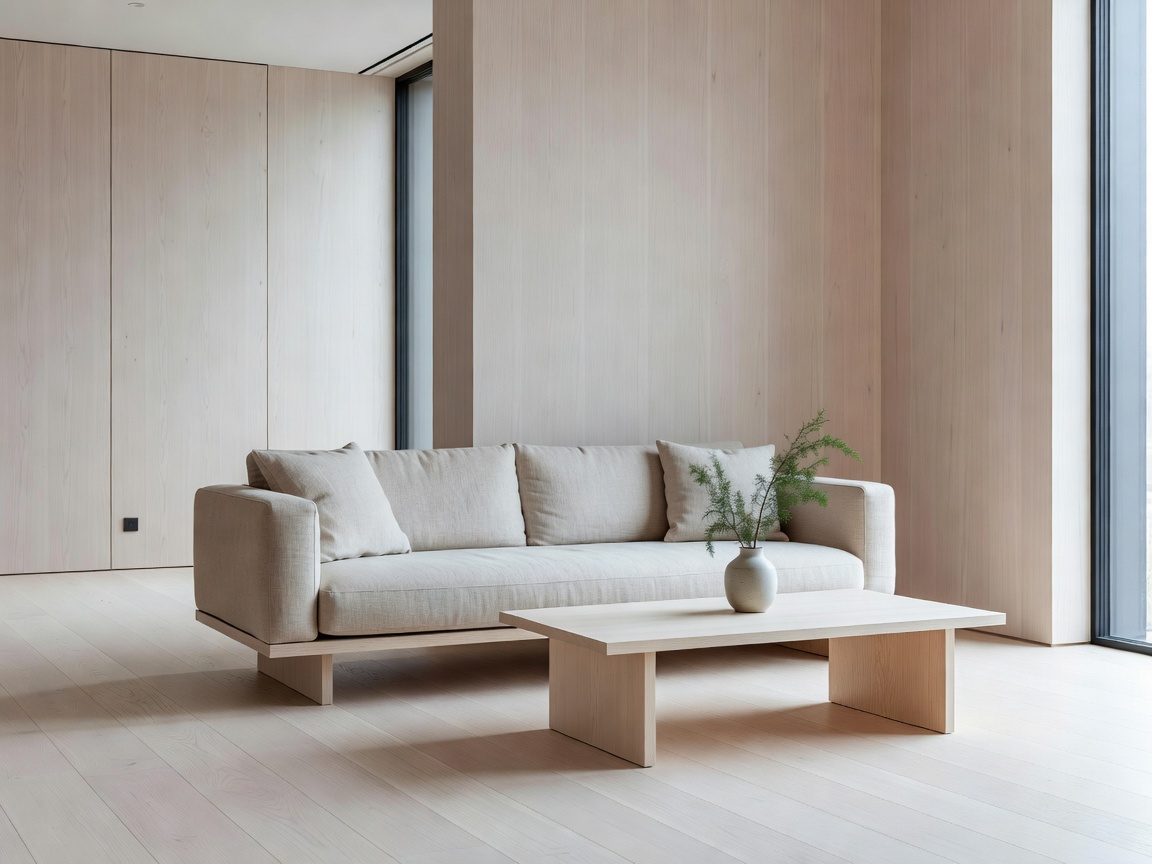
Scandinavian design often values clarity, useful objects and considered material choices. In hotels, that may appear through wood, stone, wool, linen or a restrained palette. These are tendencies, not a fixed formula. A room does not become thoughtful simply because it uses pale timber, nor does a darker, more layered interior fall outside the region’s design conversation.
Observe how materials meet. Are transitions from floor to wall resolved? Does upholstery seem suited to heavy use? Do surfaces develop a coherent relationship with the building? Ask whether decorative objects and furniture appear to have a clear role. An interior can be luxurious and practical at once; a sparse room can also feel uncomfortable if it omits useful lighting or storage.
Architecture and local setting
Architecture-led hotels are strongest when the building acknowledges where it stands. In a city, that may mean engaging with a street, courtyard or historic urban block. At a rural property, the plan may manage exposure, daylight, views or privacy. Consider the arrival sequence: the approach, entrance, shared rooms and room transition reveal how the concept is organised.
Juvet Landscape Hotel in Valldal, Norway, is a real example associated with a contemporary architectural approach in a wooded setting. The Retreat at Blue Lagoon Iceland sits within the Blue Lagoon destination in Grindavík. These references have different contexts; neither should be treated as a generic image for another property. Consult each official website for the hotel’s own description and current information.
Furniture and lighting
Furniture contributes to scale, rhythm and comfort. Look for room to move, surfaces for everyday belongings and a layout that supports more than one activity. Hotel rooms need to work at night as well as in daylight. Check whether the property’s images show reading lights, practical seating and storage, and whether its written room information fills gaps that images cannot.
Lighting should support different uses without relying on a single bright source. Layered illumination can make a room feel composed while remaining functional. In shared spaces, observe how light directs attention and creates zones without making circulation confusing. These are good questions to apply to room photographs, official descriptions and published plans where available—not reasons to assume a detail that has not been shown.
Natural materials and maintenance
Natural materials can connect a hotel to regional building traditions, but their value depends on selection, maintenance and use. Timber, stone and textiles all age differently. A design-conscious property should balance tactile quality with durability, cleaning and guest comfort. Do not make sustainability claims from a material’s appearance alone. If environmental credentials matter, look for specific statements and supporting detail published by the hotel.
Adaptive reuse and historic-modern contrast
Converting an existing building can bring layers and constraints into a hotel. Original proportions, stairways, façades or structural elements may remain, while new services and guest rooms demand contemporary intervention. Strong adaptive reuse makes the relationship legible: it respects the existing building without pretending that every modern addition is original.
Historic-modern contrast is not automatically a design virtue. Check whether new insertions seem to serve the building and its users, and whether room layouts work within older geometry. Historic properties may have variation between rooms. If accessibility, step-free movement or a specific room layout matters, verify details directly before booking.
Spatial planning and the guest experience
Good planning is often quiet. Entrances are understandable, circulation is not needlessly long, private rooms feel separate from busy spaces, and shared areas have a clear purpose. In a small hotel, shared rooms may create a more domestic atmosphere; in a larger one, public space may be designed for distinct uses. Neither scale guarantees a particular mood, so read the property’s own description and guest information.
How to evaluate a design-led stay
- Building: Is it purpose-built, renovated or adapted from another use?
- Place: Does the architecture respond to the neighbourhood or landscape?
- Room: Are layout, lighting, storage and comfort clear?
- Materials: Do surfaces and furnishings feel coherent and appropriate?
- Attribution: Are architect or designer credits stated by a reliable source?
- Access: Can you confirm the room and building suit your needs?
Do not assume an architect, designer, furniture brand or award unless a dependable source identifies it. Official property information is a starting point; for deeper design research, consult the named studio’s own portfolio where available. This archive does not award scores or certify design credentials.
Good for
Design-focused accommodation suits travellers who notice spatial planning, interiors and building character. It is also a useful lens for comparing city hotels in Copenhagen, Helsinki and Stockholm with landscape-led examples elsewhere. A strong visual concept should still meet practical requirements: sleep quality, accessibility, location, privacy and clear service information.