EDITORIAL GUIDE · 7 MIN READ
Separate age from atmosphere.
Historic accommodation can mean several different things: a hotel operating in an older building, a restored property with identifiable heritage fabric, or a newer hotel that borrows traditional forms. Those categories can all be appealing, but they are not interchangeable. If history matters to your choice, establish what is old, what has been changed and what the hotel itself can document.
Nordic cities offer a range of historic urban buildings and long-established hotels. Copenhagen, Stockholm, Helsinki and Oslo each have distinct architectural layers. Beyond the cities, former estates, manor houses and converted buildings may form part of rural accommodation, but claims about dates, former uses and historical associations should be verified from reliable property or heritage sources.
Genuinely historic accommodation
A genuinely historic hotel may occupy a building whose original use was not hospitality. Its significance could come from architecture, age, civic role or a well-documented connection to local history. Look for clear descriptions of the building’s former function, renovation approach and retained features. A property’s own account can be useful, but significant claims are best checked against an official heritage register, municipal record or another authoritative source.
Historic status does not mean that every room is original, nor that all details remain unchanged. Hotels need contemporary plumbing, fire safety, climate management and accessible guest services. The visible result is usually a mix of preserved fabric and later interventions. Ask how the property handles that balance if it is central to your interest.
Historic city hotels
Established city hotels can hold a strong place in a destination’s hospitality history while operating as modern businesses. Hotel d’Angleterre in Copenhagen is a real hotel at Kongens Nytorv, and Hotel Kämp is a real property in central Helsinki. Their locations and current hotel identities are factual reference points; particular historical narratives, dates or notable past guests should only be repeated when supported by dependable sources.
City hotels often evolve through renovations. Public rooms may retain an older character while guest spaces have been updated. If you want architectural detail, inspect the hotel’s own published history and current imagery, and distinguish a building’s age from the date of a particular interior or extension.
Restored buildings and adaptive reuse
Adaptive reuse gives an existing structure a new purpose. A hotel conversion may retain a façade, structural elements, decorative details or the building’s original plan while introducing new room layouts and services. The most compelling projects make the relationship between old and new readable rather than presenting an entire building as untouched.
Restoration and conversion can create practical constraints. Room shapes may vary, corridors may be narrow, and lifts or step-free routes may be limited by the existing structure. Do not assume a historic building is inaccessible, but do not assume access either. Contact the property with specific requirements and request confirmation for the route and room you need.
Manor-style properties and country houses
Estate-like accommodation can offer a quieter, more domestic scale than a city hotel. The term “manor” may describe a genuine former estate, a later building, or a style of hospitality; it is not proof of a particular date or social history. Check the property’s own account and seek corroboration where the distinction matters. Verify location and transport plans: countryside privacy can mean less immediate access to services.
New hotels with historic styling
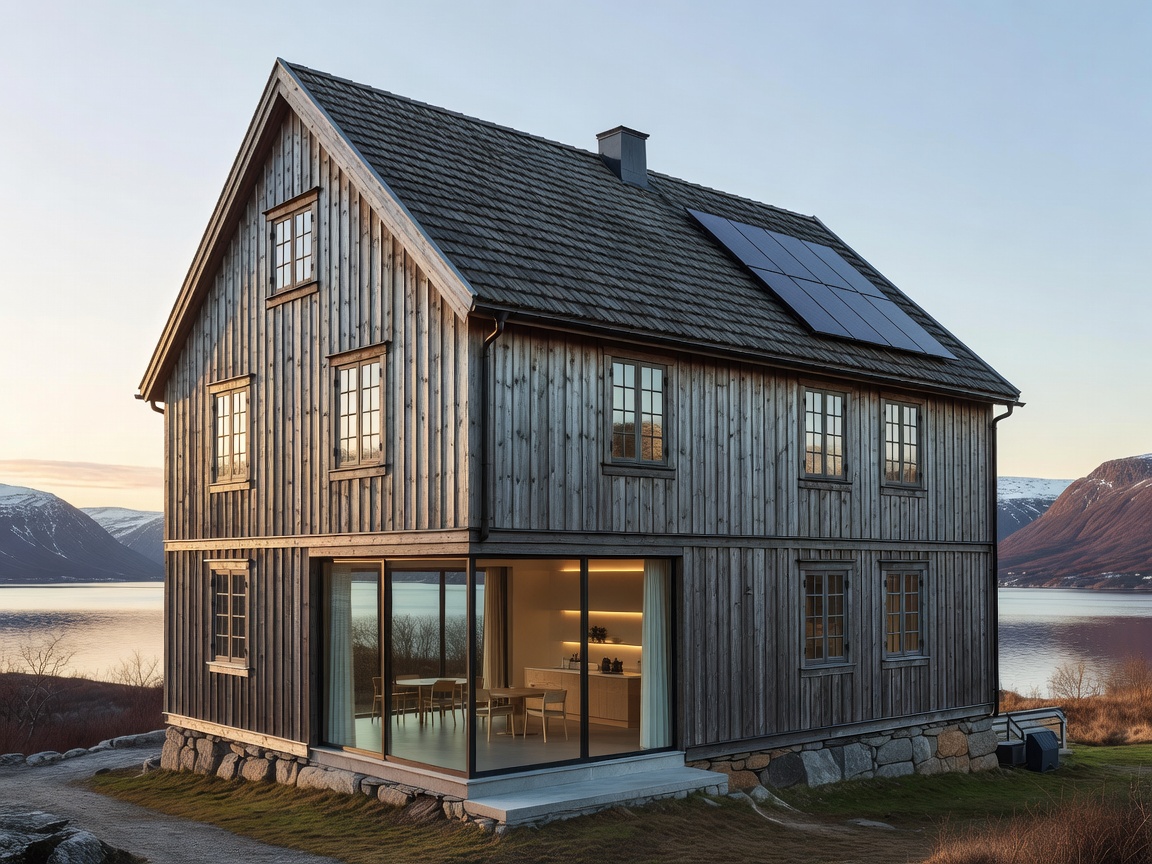
Some contemporary properties use traditional proportions, heritage-inspired furnishings or references to local building forms. This may be a deliberate design choice, not an attempt to pass as an old hotel. Evaluate it on its own terms: does the approach feel coherent, and does it support the building’s context? Keep the vocabulary accurate. “Historic-inspired” or “heritage-style” is different from “historic building.”
Architectural character and preservation
Look for the details that make a building legible: scale, masonry, timberwork, roofline, windows, staircases and the sequence between public and private spaces. A meaningful preservation approach can keep defining features while accommodating contemporary use. Be cautious about broad phrases such as “untouched” or “centuries of history” unless specific sources substantiate them.
Preservation also involves trade-offs. Older structures can have less uniform room layouts and may require restrictions or adaptations. A beautiful façade cannot tell you about sound insulation, room access, lift provision or the current condition of shared spaces. Use official property information for present-day facilities and ask questions before travel.
Practical selection criteria
- Building history: what is documented, and by whom?
- Current use: was the building purpose-built as a hotel or adapted?
- Preserved fabric: which elements remain, and which are contemporary?
- Comfort: confirm room variation, climate control, acoustics and bathroom details.
- Access: request specific information about step-free routes and room features.
- Location: consider transport, services and the pace of the surrounding area.
What to know
A historic atmosphere can be created through interiors alone; it does not establish a building’s age. A heritage building can be thoroughly modern inside and still retain architectural value. Use precise descriptions, verify notable claims through dependable sources and confirm current guest arrangements directly with the hotel. This archive offers no ranking and does not certify heritage status.